


After School Activities That Spark Creativity, Confidence and Curiosity
When the school day ends, children still have so much energy, imagination and curiosity left to explore. That’s why after school activities that focus on creativity, hands-on learning and play can have such a positive overall impact. It can help children wind down, build confidence, and discover activities they enjoy most.
Ranging from art and drama to science and storytelling, these experiences are fun, while supporting real learning and personal growth.
Here’s a closer look at the benefits of creative activities for kids after school, and how they can be tailored to suit different age groups and interests.
Why After School Creative Play Matters
Creativity and Problem-Solving
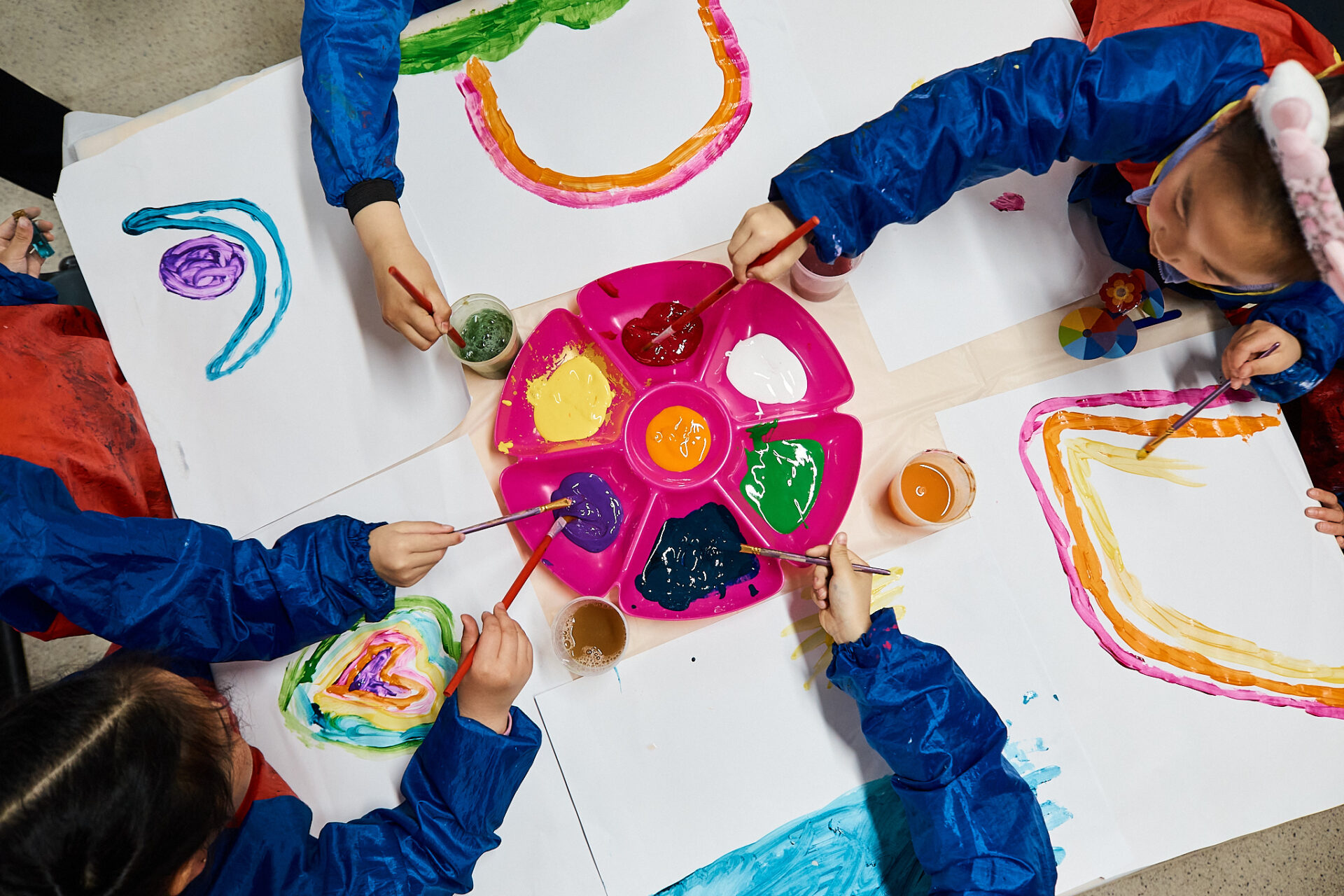
Creative play gives children the chance to explore ideas in a way that’s open-ended, meaning they can try new things in a way that suits them best. Whether they’re painting, building, acting or inventing, they’re also learning how to solve problems, think independently and express themselves.
These moments of imagination can help children develop resilience and critical thinking, which are skills that may benefit them well beyond the art table.
Balancing Screen Time
After a day of structured learning, hands-on activities offer a chance to reset. Crafting, tinkering or storytelling can help balance their digital environment with movement, connection and tactile exploration.
Programs that offer a range of after school program activities, including creative zones, help children unwind in screen-free ways while still staying engaged and entertained.
Art and Maker Activities That Build Confidence
Collage and Printmaking
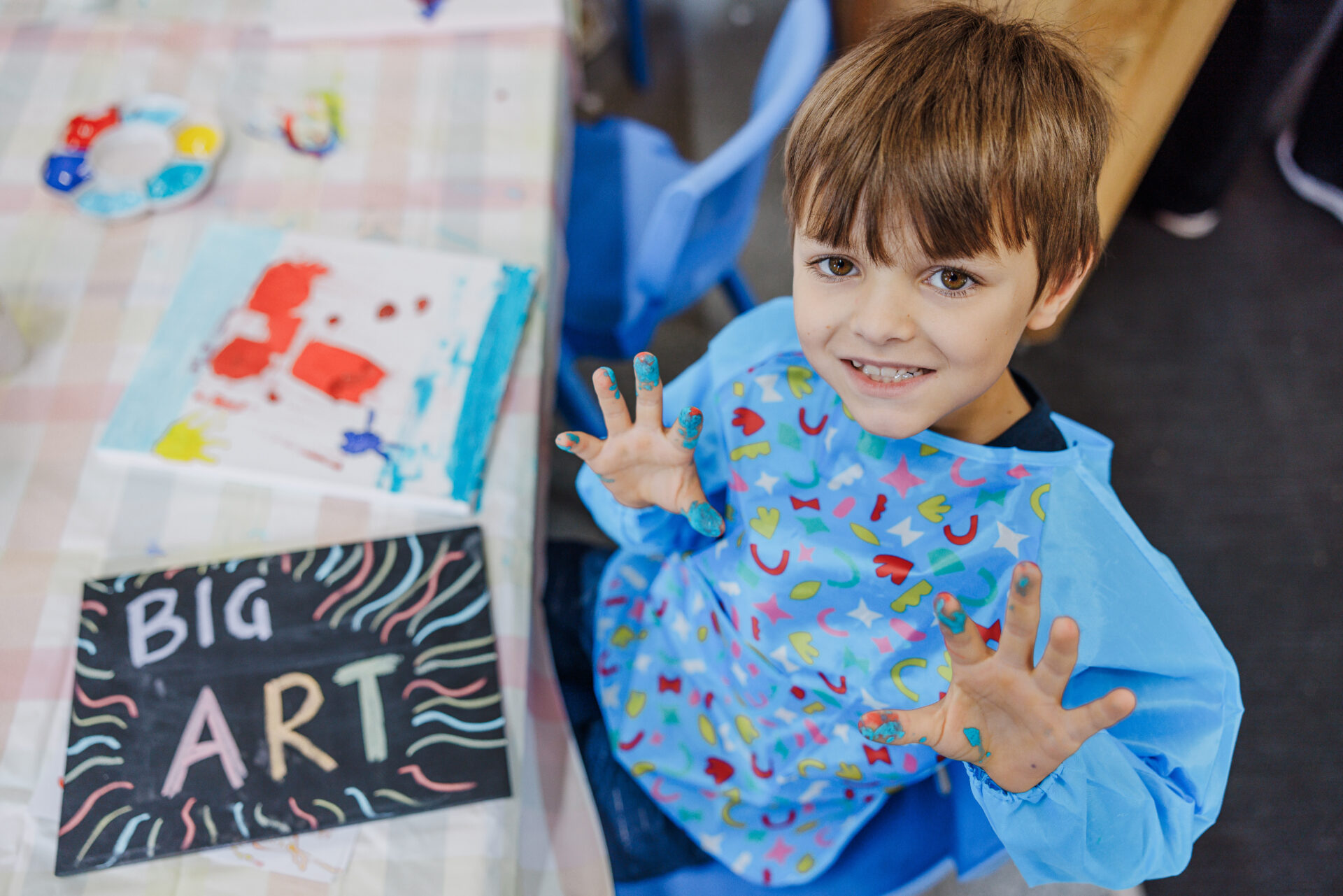
Simple art projects like collage or printmaking are perfect for self-expression. These activities encourage experimentation with shapes, colours and textures. Given that there is no “right” outcome when it comes to experimenting, this can help build confidence in children.
Even the youngest children can get involved, layering materials or rolling ink using a marble to see what they create. It’s a low-pressure way to explore visual storytelling, and an opportunity to have children describe to each other what they see in the patterns; be ready for some surprises as some children will really flex their imaginations here!
Maker Projects with Recycled Items
Using everyday materials like cardboard tubes, paper scraps or bottle tops, children can transform “rubbish” into creative treasures. These maker activities are a great introduction to resourcefulness, and they allow children to take the lead in building something unique.
It might be a spaceship, a city, a puppet theatre, or something entirely made-up. That’s what makes this kind of activity so much fun!
Science and Tinkering Stations That Spark Curiosity
Kitchen-Science Experiments
Hands-on science activities for kids can be surprisingly simple. Using ingredients like bicarb soda, food dye or vinegar, children can experiment with mixing, cause and effect, or even early chemistry concepts (all in a safe, supervised setting, of course).
These experiments are exciting, engaging and spark curiosity in how things work by turning everyday materials into tools for discovery.
Circuits and Simple Robotics
For children interested in how things move or light up, activities with basic circuits or simple robotics kits, provide a thrilling introduction to STEM. These types of STEM activities after school give children the chance to tinker, test and explore using logic and creativity together.
With guidance, children can build their own light-up cards, mini robots, or simple machines. Exposure and curiosity around STEM may just lead to inspiring a love of innovation and problem-solving in your child.
Drama, Storytelling and Music For Expression
Reader’s Theatre
Combining reading with performance, this activity helps children bring stories to life while boosting confidence and fluency. There’s no need to memorise lines; children simply read aloud with expression and energy. By focusing on elements such as dramatic reading, performance, adaptability and collaboration, it provides a playful way to support literacy while encouraging public speaking and cooperation, all in a relaxed group setting.
Rhythm and Percussion Games
Music doesn’t need instruments to be fun. Clapping games, body percussion, and rhythm circles are easy ways to explore beats and coordination. These after school activities are especially great for group energy, teamwork and mood-boosting fun. Children of all ages can join in, and there’s no music experience required.
How Activities Can Be Adapted For Different Age Groups
Every child learns differently, so creative play should reflect that. In after school settings, activities are offered with flexibility in mind, so that children can participate in a way that suits their age, interests and confidence levels.
Older children might take on more complex projects or lead group games, while younger ones may focus on sensory exploration or guided tasks. Activities at Camp Australia are always inclusive, age appropriate and designed to be enjoyable.
Accessibility and Safety
Ensuring activities are inclusive and accessible is essential. This might mean offering quiet spaces when children need time to regulate, or breaking down instructions into smaller, more manageable steps.
Supervised creative play also means children can explore freely, knowing that their environment is safe, welcoming and suited to their needs.
Creative Play That Makes a Difference
Whether it’s building a cardboard invention, mixing a bubbling science experiment, or performing a favourite story, creative activities for kids after school offer so much more than just entertainment.
They can help children grow in confidence, connect with others, and explore the world through curiosity and play. With the right environment and support, every child can find something they love – that’s what makes after school time so valuable.
Find out more about Camp Australia’s after school care enrolment program, or feel free to contact us for further information.