


In our busy, often overwhelming world of parenting, we often hear about being “connected” to our children. But what does this really mean, and why does it matter so deeply for our children’s wellbeing? Being a connected parent isn’t about being perfect or always knowing what to do; it’s about developing the beautiful skill of attunement.
Attunement is our ability to tune into our child’s inner world and truly see what’s happening for them. It’s like becoming a gentle detective, noticing not just what your child is doing, but what they might be feeling underneath their behaviour. When your toddler throws their toy across the room, an attuned parent might see past the action to notice they’re feeling frustrated or overwhelmed. When your tween seems suddenly distant, connection means being curious about what’s really going on rather than taking their behaviour personally.
This kind of attunement goes beyond just observing—it’s about feeling into your child’s experience with empathy and responding in ways that help them feel seen and understood. Sometimes it means sitting quietly with their sadness, other times it means celebrating their excitement, and often it means staying calm when they’re struggling to regulate their emotions.
Why Connection Safeguards Mental Health
When children have a parent who consistently tries to understand and respond to their inner world, something profound happens: they develop a secure sense of self and a deep trust that their emotions are valid and matter. This becomes the foundation for lifelong mental health and resilience.
Children with attuned parents learn that their feelings are valid and manageable. They develop confidence that when life gets overwhelming, they have someone who will help them navigate difficult emotions rather than dismissing or minimising them. This early experience of being truly seen and supported becomes an internal template for how they’ll handle challenges throughout their lives.
Research shows us that children who experience consistent attunement are more likely to develop healthy emotional regulation, stronger relationships, and greater resilience in the face of life’s inevitable stresses. They learn to trust themselves and others because they’ve experienced the safety of being known and accepted for who they truly are.

Three Ways to Deepen Your Connection
1. Hold Space for Their Feelings
One of the most powerful ways to connect with your child is to become a safe harbour for all their emotions—the comfortable ones and the challenging ones. This means resisting the urge to fix, distract from, or minimise their feelings, and instead offering your calm, loving presence while they experience whatever they’re going through.
When your child is upset, try moving closer rather than further away. Get down to their level, use a gentle voice, and let them know you’re there: “I can see you’re really frustrated right now. I’m here with you.” Often, children don’t need us to solve their problems—they need us to witness their experience and help them feel less alone in it.
Remember that big emotions are normal and healthy. When we stay present during our children’s emotional storms, we teach them that all feelings are acceptable and that they’re strong enough to move through difficult experiences with support.
2. Connect Through Play and Special Time
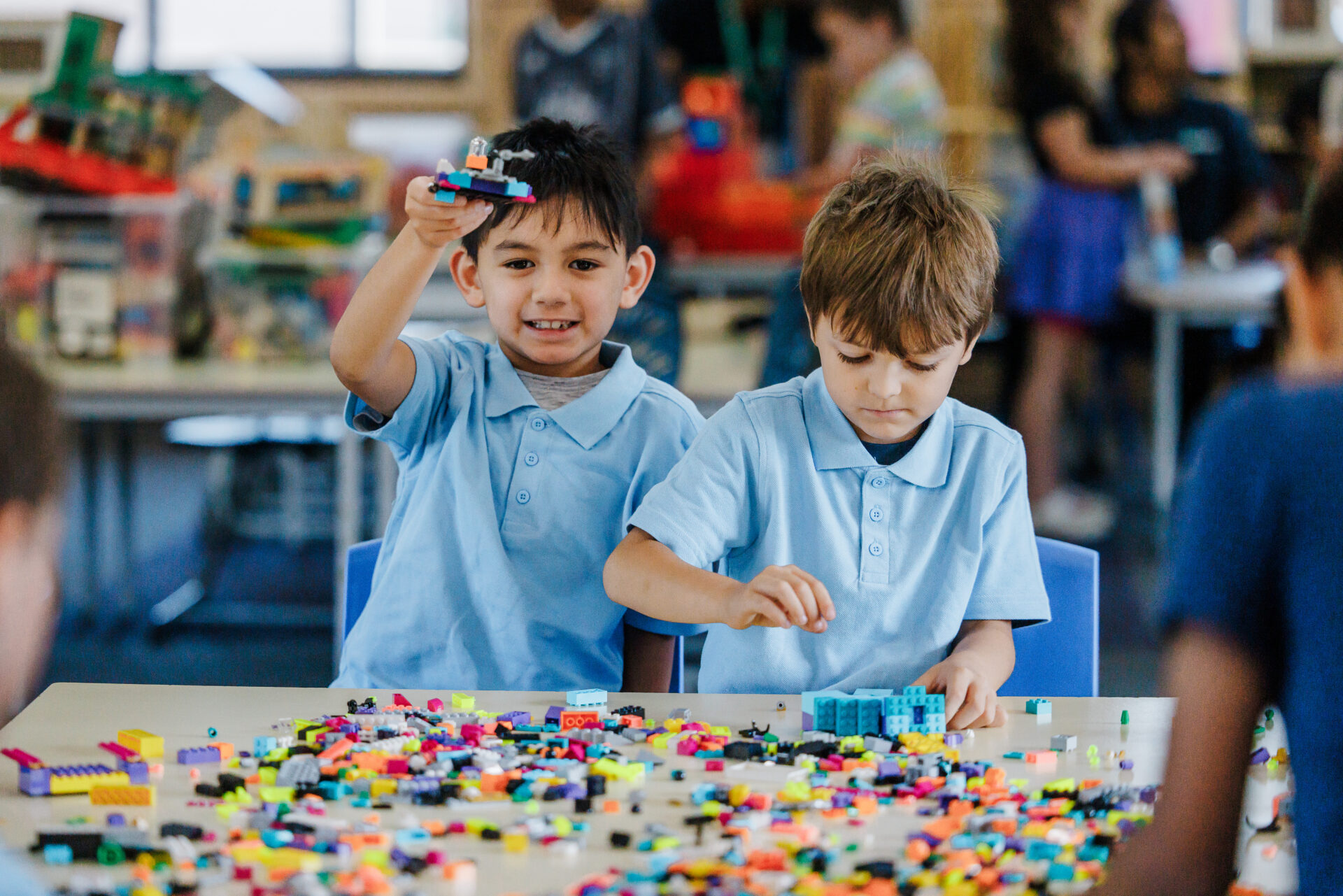
Play is children’s natural language, and it’s one of the most powerful ways to build connection. When we enter our children’s world through play, we’re showing them that we value what matters to them. This doesn’t require elaborate activities; it might be as simple as building blocks together, having a tea party, kicking a ball in the backyard, or simply lying on the floor and letting them lead the way.
Special one-on-one time, even just 10-15 minutes of focused attention, can work wonders for connection. During this time, let your child choose the activity and follow their lead. Put away distractions, get curious about their interests, and be fully present. You might be amazed at how much children share when they feel they have your complete attention.
Play also helps repair connections after difficult moments. A silly game or shared laughter can rebuild closeness and remind both of you that your relationship is strong enough to weather challenges.
3. Tune Into Your Own Reactions and Responses
Perhaps the most important aspect of connected parenting is developing awareness of your own emotional responses. When we’re triggered, overwhelmed, or operating from our own unhealed wounds, it becomes much harder to tune into our children’s needs with clarity and compassion.
Notice what situations tend to activate your own stress responses. Maybe it’s bedtime battles, sibling conflicts, or public meltdowns. When you can recognise your own patterns, you can pause and ask yourself: “What’s happening inside me right now? What do I need to stay present for my child?”
This might mean taking a few deep breaths, stepping away briefly to collect yourself, or acknowledging your limits: “I can see you’re upset, and I’m feeling overwhelmed too. Let me take a moment to calm down so I can help you better.”
Self-compassion is crucial here. The goal isn’t to never get triggered, but to notice when it happens and respond with kindness to both yourself and your child.
When we practice connected parenting, we’re not just improving our relationship with our children; we’re helping them develop the skills they’ll need for all their future relationships. Children who feel deeply known and accepted are more likely to become adults who can form healthy connections, communicate their needs effectively, and offer the same gift of attunement to others.

Our upcoming free webinar, “How to Be a Connected Parent”, is hosted by renowned parenting educator Lael Stone. This honest and practical session explores how our own childhood experiences shape the way we parent and how to build stronger, more connected relationships with our children.
Register here to join us on Tuesday, 2nd September and learn simple, powerful strategies that help your child feel emotionally safe, seen, and supported.
Lael Stone is an educator, TEDx speaker, author, mother, and parenting counsellor who has worked with families for over 20 years. Her work as a birth educator, post-natal trauma counsellor, and parenting educator has seen her work with thousands of families consulting about newborns all the way to the teen years. She spent over 5 yrs in secondary schools working with teens around sexuality, well-being, and relationships and her great aim is to empower parents to create connections and stronger relationships with their children. She is the Creator of Woodline Primary School, an innovative new school based on emotional well-being and connection. As well as sitting on a few advisory boards and consulting with organisations around emotional awareness and trauma-informed practices, she spends a great deal of time travelling around Australia as a sought-after public speaker.