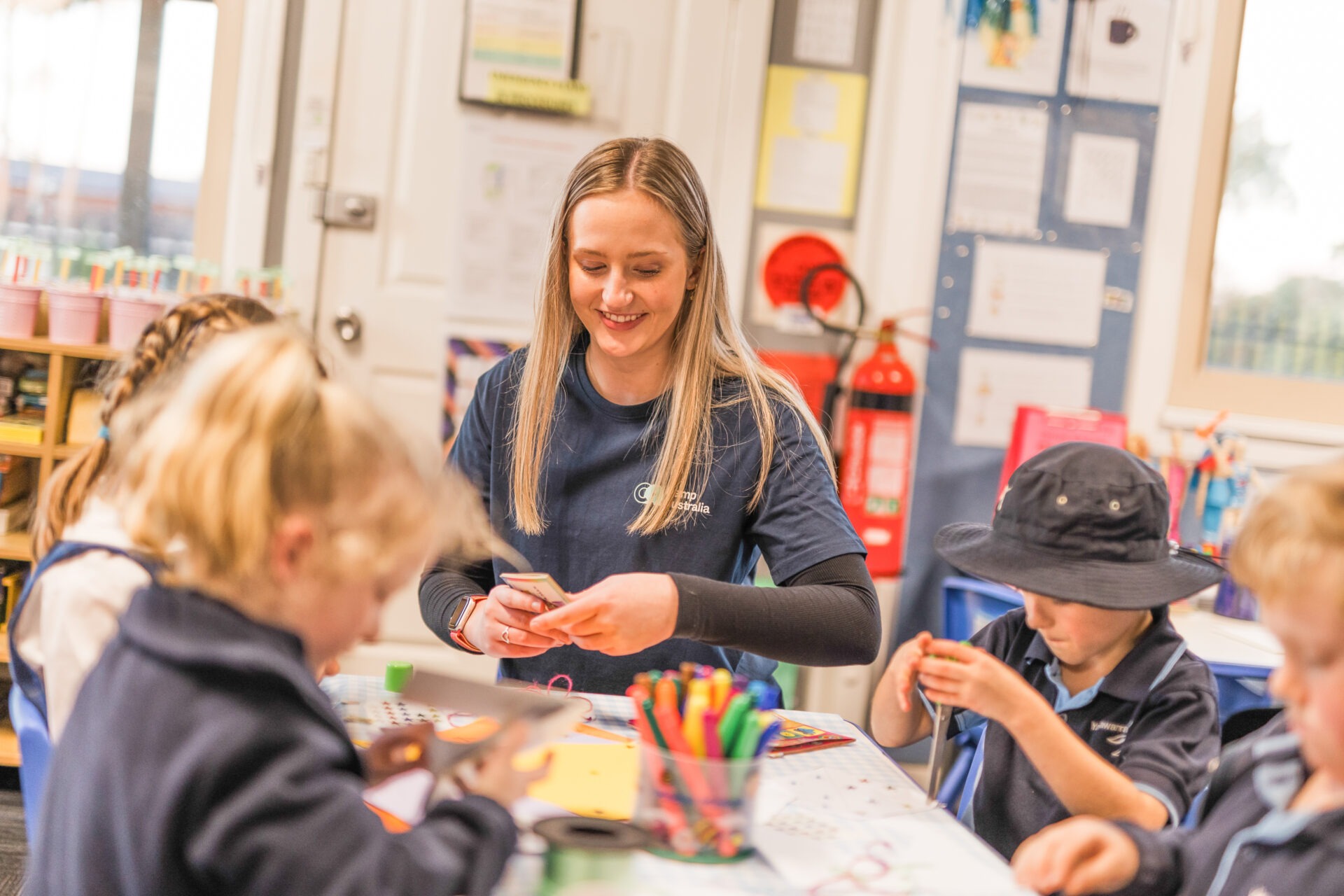



Learning isn’t just restricted to the classroom.
In after school settings, being involved in games can be one of the most powerful tools for helping children grow, learn and thrive. The research backs it up, and any parent who’s watched their child come home buzzing after a big afternoon of play probably already knows it.Building Teamwork and Communication Skills
When children play together, they’re practicing real-world skills. Group games for kids require negotiating rules, taking turns, supporting teammates and working through disagreements, all without a teacher guiding every step. These moments of self-directed collaboration may help children build the communication foundations they’ll rely on throughout life.Encouraging Creativity and Imagination
Play is where imagination blossoms. Games give children the freedom to think differently, take creative risks and discover that their ideas have value. A child designing a relay race obstacle or inventing a new storyline mid-game are some ways creativity is developed.Playing Games Can Support Emotional Wellbeing
Games offer children a safe space to experience both winning and losing, and to practise managing those feelings with grace. Shared laughter, friendly competition and cooperative challenges may all contribute to a child’s sense of belonging and emotional resilience. At Camp Australia, our Service Leaders are trained to support children through these moments with care and encouragement.
High Energy Outdoor Games Children Enjoy
There’s something about fresh air and open space that brings out the best in children. These outdoor games for children are firm favourites at Camp Australia services across Australia.
1. Capture the Flag
A classic for good reason! Capture the Flag gets children sprinting, strategising and communicating on the fly. Teams need to work together to defend their territory while outsmarting the opposition. It’s highly competitive, physical and wildly fun.
2. Relay Race Challenges
Relay races are one of the most energising after school activity games around. From traditional running races to egg-and-spoon or sack races, these activities encourage children to give their best effort while cheering on their teammates. Our Service Leaders love adding creative twists to keep things fresh. Relay races always end with tears of laughter along the way!
3. Treasure Hunt Adventures
Nothing sparks excitement like a well-crafted treasure hunt. With clues hidden around the schoolyard, children decode riddles, explore their environment and work together to find the prize. Treasure hunts can be tailored to themes, seasons, or learning topics, making them as educational as they are exciting. For example, Easter is a perfect case in point of a themed treasure hunt.

Indoor Games Perfect for Rainy Days
Anyone who’s spent time in Australia knows the weather doesn’t always play along. These indoor games for kids are ready to go whenever the clouds roll in.
4. Puzzle Competitions
Few things are as quietly satisfying as watching a puzzle come together. Children working solo or in teams build patience, may help with spatial reasoning, and children end up with a genuine sense of accomplishment.
5. Board Game Tournaments
Board game tournaments are a fantastic way to bring children together. They encourage strategic thinking, healthy competition, and plenty of chatter. Classic games such as Snakes and Ladders, Scrabble or Pictionary can bring out some seriously fun rivalry!
6. Charades and Drama Games
Charades and drama-based games are a highlight for children who love performing. These games build confidence, encourage self-expression and generate plenty of laughter. They’re also a brilliant way for quieter children to come out of their shell in a low-pressure, playful environment. Who knows, we may even throw in an awards ceremony with fun categories such as “funniest performance” or “best new talent”.
Educational Games That Make Children Think
Sometimes, the best learning happens when children don’t realise they’re being taught. These games blend challenge and fun to stretch young minds while being entertaining at the same time.
7. STEM Problem-Solving Games
From building challenges using everyday materials to collaborative engineering tasks, STEM-based games tap into children’s natural curiosity. These activities may support critical thinking and scientific reasoning, all wrapped up in the excitement of a hands-on challenge.
8. Logic Puzzles and Brain Teasers
Brain teasers and logic puzzles are a brilliant way to keep sharp minds engaged after school. Children who might breeze through traditional worksheets often find themselves genuinely stumped, and genuinely motivated to figure it out. It’s the kind of productive challenge that builds persistence and problem-solving confidence.
9. Strategy-Based Board Games
Games like chess, draughts, or Catan Junior (adapted for younger players) introduce children to the joy of thinking several moves ahead. Strategy games teach planning, decision-making and how to adapt when things don’t go to plan. These types of skills can be the foundation of a valuable learning opportunity that’s applicable to other areas of learning.

Cooperative Games That Build Friendships
Some of the most meaningful moments in after school care happen when children work together. The collaborative team games for kids below are designed to strengthen friendships and foster a genuine sense of community.
10. Team Building Challenges
From building the tallest tower from a set of limited resources (such as pieces of spaghetti or playing cards) to blindfolded obstacle courses, team building activities encourage children to communicate clearly and to trust one another. These experiences may help children develop patience and learn to appreciate the different strengths each person brings to a group.
11. Group Storytelling Games
In group storytelling, each child adds a sentence or scene to a shared story, with hilarious and often unexpected results! This collaborative game nurtures creativity, active listening, and respect for others’ ideas. It’s one of those activities that often starts with giggles and ends with children genuinely proud of what they’ve created together.
12. Build Together Activities
Constructing a cardboard city, designing a LEGO® landscape, or engineering a marble run, “build together” activities channel children’s imaginations into a shared creation. These projects encourage negotiation, shared decision-making and the satisfaction of achieving something as a team.
More Fan Favourites at Camp Australia
Our list wouldn’t be complete without a few more beloved games that regularly light up our services:
13. Four Square
A schoolyard staple across Australia, Four Square is fast, physical and endlessly repeatable. Children of mixed ages and abilities can all join in, making it one of the most inclusive fun games for kids in our toolkit.
14. Duck, Duck, Goose (with a twist!)
This timeless classic gets a Camp Australia spin with themed variations. Duck, Duck, Kangaroo, anyone? Simple rules mean even the youngest children can participate fully, while older children love helping to organise and lead the game.
15. Freeze Dance and Movement Games
Music-based movement games like Freeze Dance combine physical activity with listening skills and loads of laughter. These games are especially popular at the end of a long school day when children need to shake out their energy before settling into quieter activities.
Fun and Learning With Our After School Care Programs
At Camp Australia, games are never just games. Every activity our Service Leaders run is thoughtfully chosen to support children’s growth, physically, socially, emotionally and cognitively. From sprinting across the oval in a relay race to quietly piecing together a puzzle, children are building skills and memories that go well beyond the playground.
Our before and after school care programs are designed to make every afternoon feel like an adventure. Sound like the right fit for your family? Find a Camp Australia service near you and give your child the gift of meaningful play every day.